
public
Unveiling the myths of luck in the casino world
Understanding Luck: A Fundamental Concept
Luck is often regarded as a mysterious force that plays a crucial role in gambling, leading players to believe that it can significantly influence their outcomes. This perception is deeply rooted in human psychology. People have a natural inclination to assign meaning to random occurrences, seeking comfort in uncertainty. Such beliefs give rise to various myths surrounding luck in the casino realm, where superstitions and rituals often merge with the gambling experience, including preferences for australian betting sites that promise better odds. Recognizing the psychological aspects of luck can help players navigate their gambling experiences more wisely.
Interestingly, many players believe that their personal luck can be enhanced through specific actions or behaviors, such as wearing lucky clothing or carrying talismans. These rituals often stem from cultural practices and societal influences that reinforce the idea that luck is a tangible entity. Despite these beliefs, the reality is that luck, as commonly understood, is an unpredictable element that does not guarantee consistent success in games of chance. This disconnect between belief and reality can lead to heightened emotions during gameplay, further complicating the gambling experience.
Moreover, the concept of luck can significantly affect a player’s decision-making process. When players believe they are ‘on a lucky streak,’ they may become more reckless, wagering larger amounts than they ordinarily would. Conversely, the fear of bad luck can deter individuals from participating in games altogether. Recognizing these psychological factors is essential, as they illustrate how intertwined luck is with gambling behavior, often overshadowing the mathematical probabilities that actually govern game outcomes. Understanding this dynamic can lead to a more informed and strategic approach to gambling.
The Role of Probability in Gambling
While luck is often heralded as a primary factor in gambling, it is, in fact, probability that dictates the nature of most casino games. Each game has odds that determine the likelihood of winning based on mathematical calculations. For instance, in games like blackjack or poker, while players may rely on luck to some extent, optimal strategies based on probabilities can significantly enhance their chances of winning. Understanding these odds is essential for making informed decisions during gameplay, as it allows players to adjust their strategies according to the specific game dynamics.
The house edge is a critical concept that players often overlook. This statistical advantage ensures that, over time, the casino will always profit from its games. It serves as a reminder that luck may favor a player in the short term, but, in the long run, the house edge will prevail. Thus, even the most skilled players can experience losses over extended periods, emphasizing that luck cannot wholly counteract the inherent math involved in casino games. Players should be aware of this reality to set realistic expectations for their gaming experiences.

Additionally, the application of probability extends beyond traditional card or table games and includes slots and other electronic games. Each spin of a slot machine is determined by a random number generator (RNG), which ensures fair play through unpredictable outcomes. While many players rely on luck when playing slots, understanding the underlying mechanics, such as pay lines and return to player (RTP) percentages, can demystify the notion of luck. This knowledge provides a more realistic framework for their gaming approach and encourages more informed betting habits.
Common Myths About Luck in Casinos
The casino world is rife with myths regarding luck, many of which can lead players astray. One prevalent myth is the belief in ‘hot’ or ‘cold’ machines. Players often congregate around slot machines that seem to be paying out frequently, convinced that these machines will continue to yield favorable results. However, the reality is that the outcomes of each spin are entirely independent, and past results have no bearing on future outcomes. Such misconceptions can result in wasted time and money as players chase perceived winning streaks, often leading to frustration and disappointment.
Another common myth relates to the idea of ‘due’ wins. Some gamblers believe that if a machine has not paid out in a while, it is statistically ‘due’ for a win. However, this belief does not align with the principles of probability. Each spin is a separate event, and machines do not have memory or the capacity to compensate for past outcomes. Consequently, relying on the myth of ‘due’ wins can lead to significant losses. Understanding this can help players avoid making emotionally-driven decisions based on faulty assumptions.
Lastly, many players subscribe to various rituals or superstitions, such as the notion that crossing fingers or blowing on dice can influence game outcomes. These behaviors, although steeped in tradition, are ultimately unfounded in reality. While they may provide players with a sense of control or confidence, they do not impact the inherently random nature of casino games. Understanding these myths can empower gamblers to approach their play with a clearer perspective, rooted in reality rather than fantasy, enhancing their overall gaming experience.
Luck vs. Skill: Finding the Balance
In the realm of gambling, the dichotomy between luck and skill is often debated, particularly regarding which factor plays a more significant role in determining success. While certain games, such as slots, are predominantly based on chance, others like poker require a combination of skill, strategy, and psychological insight. Professional poker players understand the importance of reading opponents, managing their bankrolls, and employing mathematical strategies to maximize their chances of winning. This blend of skill and luck creates a dynamic environment that can be both thrilling and challenging.
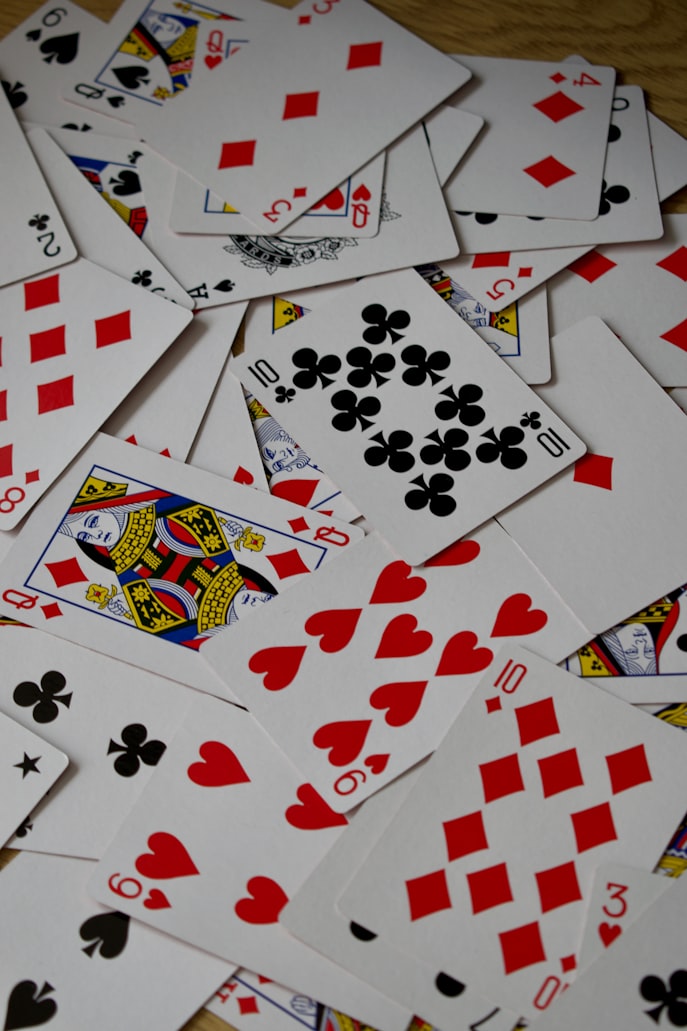
Skill-based games allow players to exert more control over their outcomes compared to games based solely on luck. Players who educate themselves on game strategies and remain disciplined can improve their performance substantially. However, even in these skill-based environments, elements of luck cannot be entirely dismissed. Random card draws or unexpected opponent behavior can still influence the results, highlighting the need for a balanced understanding of both luck and skill. This balance is crucial for long-term success in the gambling world.
Ultimately, while luck may play a pivotal role in the short term, relying solely on it is not a sustainable gambling strategy. Successful players recognize the importance of honing their skills while acknowledging that luck will always be an unpredictable factor. This balanced approach allows them to navigate the exciting but risky landscape of casinos more effectively, turning luck from a myth into a manageable component of their gaming experience. Embracing both skill and luck can lead to a more rewarding gambling journey.
Resources for Responsible Gambling
Understanding the myths and realities of luck in the casino world can empower players to engage in responsible gambling practices. Many organizations provide resources and support for individuals seeking to develop a healthier relationship with gambling. Educational materials are available that explain the mechanics of games, the importance of setting limits, and recognizing the signs of problem gambling. Players should take advantage of these resources to enhance their understanding and approach to gambling.
Additionally, numerous casinos have adopted responsible gambling initiatives, offering self-exclusion programs, cooling-off periods, and informational resources to help players make informed decisions. Players can also benefit from utilizing tools that track their gaming habits and spending, providing insights into their behaviors and encouraging responsible play. These initiatives are aimed at fostering a safe and enjoyable gaming environment for all visitors.
Ultimately, the goal is to cultivate a gambling environment that prioritizes enjoyment and entertainment while minimizing risks associated with problem gambling. By being informed about the myths surrounding luck and actively engaging with responsible gambling initiatives, players can enhance their gaming experiences in a safe and enjoyable manner. This approach not only benefits the individual but also contributes to a healthier gambling culture overall.